
Services
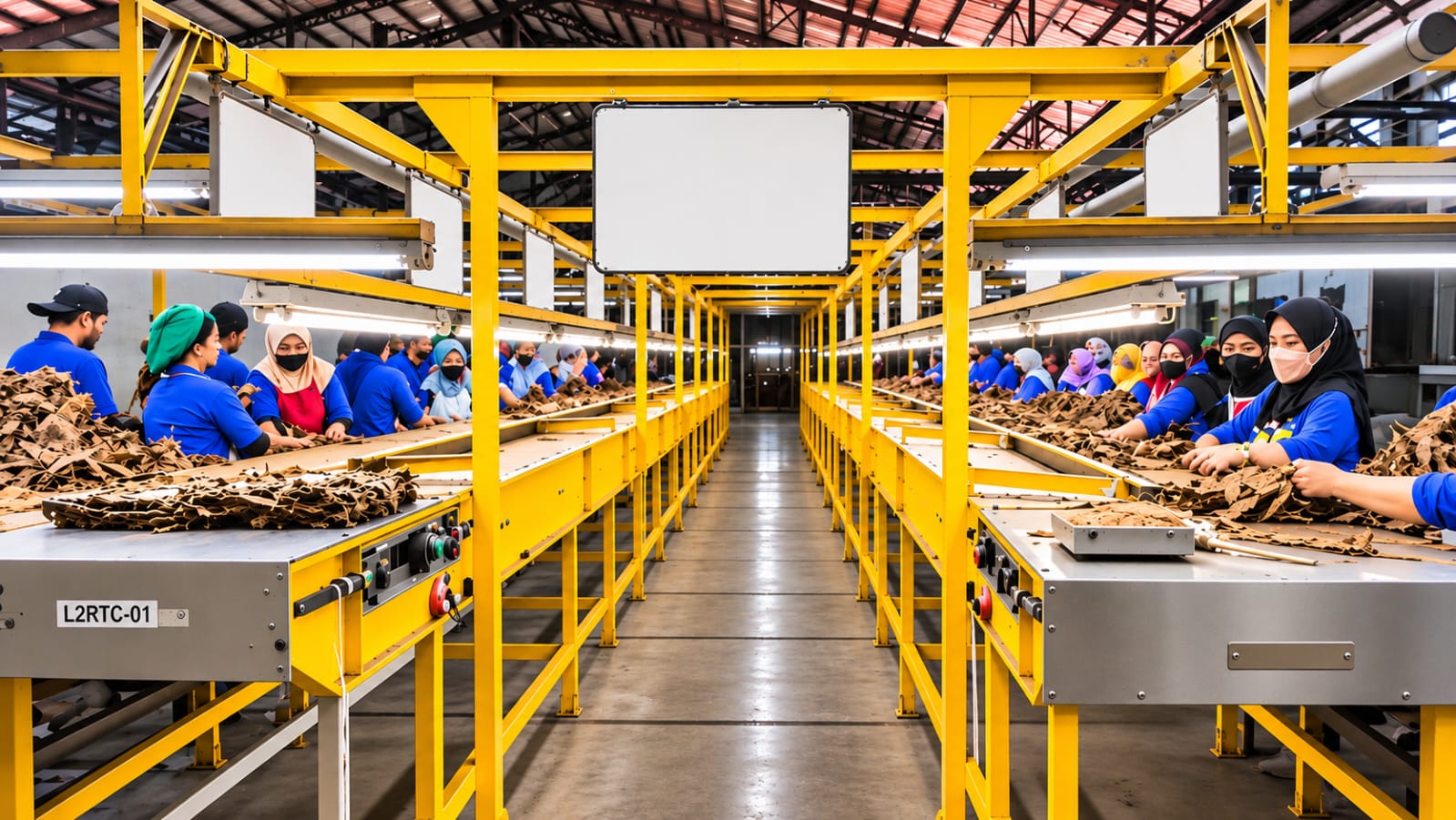
Professional Tobacco Redrying & Processing Services
The re-drying process for tobacco leaves is a critical stage in tobacco processing, particularly prior to shredding or cutting. The primary objectives of this re-drying phase are to achieve an appropriate moisture content, preserve the leaves' aroma and inherent characteristics, ensure safety and stability for long-term storage, and prevent the growth of mold or other forms of deterioration during storage. In practice, re-drying requires the optimization of several interconnected process parameters: the final moisture content of the leaves, the temperature of the drying air, and the relative humidity of the environment. Relying solely on manual experience is often insufficient, given that incoming tobacco leaves can vary significantly in terms of initial moisture content, leaf size, and variety, alongside fluctuating environmental conditions. Controlling temperature and environmental humidity during the drying process is essential because tobacco leaves are hygroscopic—meaning they readily absorb or lose moisture depending on the surrounding air conditions. Companies such as CV Firmansyah Sejahtera must ensure that their re-drying facilities are equipped with adequate environmental control systems (for monitoring temperature, humidity, and airflow) and follow a structured, measurable drying protocol. This procedure includes measuring the moisture content of incoming leaves, establishing set points for temperature and chamber humidity, and monitoring the output to ensure the leaves meet the desired specifications. This approach preserves the aroma, maintains the integrity of the leaf characteristics, and minimizes the risk of mold or damage during storage. By implementing an optimal and controlled re-drying process, a company can enhance production efficiency while consistently maintaining product quality—ultimately bolstering its reputation, competitiveness, and the trust of business partners in both national and international markets.
Publish : 2026-10-20 19:21:04